

Cold Weather Mistakes that Damage Your Bobcat Equipment
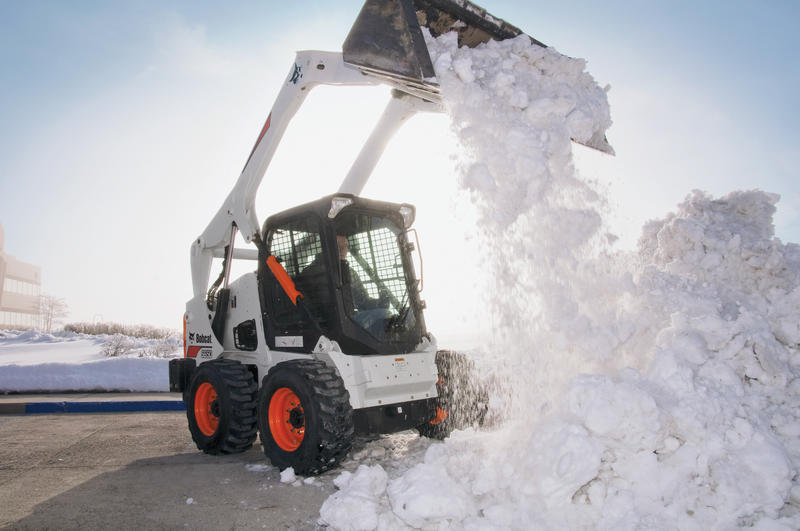
If there’s one thing Texans can agree on, it’s this: our weather doesn’t play by the rules. All four seasons can happen in a single day – and winter looks completely different in the Panhandle than it does in the Valley. One crew may be scraping frost off the windshield at dawn while another is running a machine in short sleeves by noon.
But no matter where you fire up your Bobcat equipment, cold snaps, surprise freezes… and rapid temperature swings can create the perfect storm for unnecessary wear and costly downtime. The good news? Most winter-related damage is completely avoidable.
To help keep your machines running strong through whatever Texas throws at you, here are the seven most common winter mistakes operators make – and how to steer clear of them.
Cold weather puts every machine to the test. Fluids thicken, batteries drag, and ice shows up everywhere you don’t want it. Most operators aren’t “destroying” their Bobcat machine with one bad move - they’re slowly wearing it down with the same small habits, day after day.
The good news? A few simple changes in how you fuel, store, and start your equipment will stop the most common cold-weather failures before they start. Less downtime. Fewer surprises. And more work getting done on schedule.
Here are seven cold weather habits that quietly damage Bobcat skid-steer loaders, compact track loaders, and excavators - and the simple fixes that keep your machine ready to run.
1. Cold Start Abuse
Firing up a frozen machine and jumping straight into full throttle is one of the fastest ways to cut the live of your engine and hydraulic.
What goes wrong:
- Engine is started and immediately revved to high RPM
- Heavy pushing, lifting, or turning within the first minute
- Zero warm-up time for engine oil, hydraulic oil, or final drives
Those habits can lead to:
- Premature wear on bearings and cylinder walls
- Blown hoses or fittings from thick, cold hydraulic oil
- Cracked or damaged components from sudden shock loads
What to do instead:
- Use a block heater or engine pre-heater when temps stay below freezing
- Start the machine and let it idle at low-mid RPM for a few minutes
- Perform slow, gentle movements with boom, bucket, and drive controls to warm the system
- Hold off on full production until your gauges move toward normal operating range
Quick rule: Your Bobcat machine needs a warm-up just like you do. Nobody sprints straight out of bed on a frozen morning.
2. Running Low Fuel In Freezing or Cold Temperatures
In winter, “running on fumes” isn’t just inconvenient – it’s a fast-track to cold-weather breakdowns.
What goes wrong:
- Extra air space in the tank allows condensation
- Condensation becomes water in your fuel
- Water freezes in lines, filters, and injectors
What that leads to:
- Hard starts or no starts
- Poor performance and misfires
- Corrosion and long-term fuel system damage
What to do instead:
- Keep the fuel tank at least half full when temperatures drop
- Use winter grade fuel or approved anti-gel additives from your supplier
- Replace fuel filters on schedule and drain water separators regularly
Quick rule: When the weather calls for cold temperatures, fueling is part of shutting down. Don’t park a hardworking machine overnight on empty.
3. Leaving Attachments Outside To Freeze
Cold weather exposes attachment habits fast. Buckets, augers, sweepers, grapples, and brooms – if they’re left where the last pass ended, they’re going to make you pay for it in the morning.
What goes wrong:
- Rework this into pivot points, cylinders, and couplers
- Hydraulic couplers freeze and won’t connect
- Steel contracts and traps pins and linkages
This causes:
- Wasted time freeing frozen components
- Torn seals or damaged hoses from forcing frozen parts
What to do instead:
- Store attachments under cover or indoors whenever possible
- Designate a staging area that stays dry and drains well
- Before a storm, disconnect hydraulic attachments, cap couplers, and keep them off the ground
- If your area gets snow or ice, knock off buildup before parking for the day
Quick rule: Treat attachments like the precision tools they are. Where they spend the night determines how well they work in the morning.
4. Ignoring Tire Pressure In Cold Weather
Cold weather changes pressure fast. Running underinflated or overinflated tires does more than affect the ride – it puts the entire undercarriage at risk.
What goes wrong:
- Summer PSI carried into winter with no adjustments
- Pressure drops ignored after a cold front
- Heavy loads carried on under inflated tires
This leads to:
- Sidewall damage and premature tire failure
- Poor traction in unstable ground conditions
- Added stress on wheel bearings and drive components
What to do instead:
- Check and adjust tire pressure weekly in winter
- Follow the operator’s manual for the correct PSI
Quick rule: Tire pressure isn’t “set it and forget it” once winter hits.
5. Forgetting To Drain Water Traps and Moisture
If there’s a spot for moisture to collect, cold weather will find it – especially in fuel systems and compressed air systems.
What goes wrong:
- Air system water traps or tanks never drained (where applicable)
- Fuel water separators ignored
- Moisture sits in lines, valves, and traps
This causes:
- Ice blockages in lines, valves, and controls
- Internal corrosion in high-value components
- Random, cold-weather failures that are tough to diagnose
What to do instead:
- Follow the operator’s manual for draining water traps and tanks
- Make draining water separators part of your daily shutdown
- Fix leaks that might be pulling moisture into the system
Quick rule: If water can collect, assume it will. Drain it before temperatures drop.
6. Using Summer Fluids In Winter Conditions
Summer fluids don’t perform the same once temperatures fall. Thick oils and old coolant can turn a normal workday into downtime fast.
What goes wrong:
- Engine or hydraulic oil viscosity is too high for cold weather
- Coolant strength or condition never checked
- Summer grease still in pins, bushings, and pivots
This leads to:
- Slow, sluggish hydraulic response
- Extra wear on pumps and motors from poor flow
- Overheating or freezing issues in the cooling system
What to do instead:
- Use the operator’s manual to verify correct winter fluids
- Work with your dealer to switch to winter grade oil, hydraulic fluid, and grease before the first freeze
- Test coolant for freeze protection and replace old or contaminated fluid
Quick rule: Fluids are cheap. Downtime isn’t.
7. Letting DEF Freeze and Using Poorly Stored DEF
Diesel Exhaust Fluid (DEF) starts to freeze at around 12°F. Your Bobcat is built to handle normal freeze/thaw cycles in the tank and lines, but the real trouble shows up long before DEF ever reaches the machine – in how it’s stored and handled.
What goes wrong:
- DEF jugs left in the back of a truck or sitting outside
- Slushy, half-frozen DEF poured through a funnel in cold temps
- Dirt, snow, or moisture getting into open containers
Those Small Slip-ups Can Lead To:
- Crystallized DEF in lines or injectors
- Fault codes, derates, and even shutdowns
- Long idle times while the system tries to warm up
What To Do Instead
- Keep DEF indoors in a clean, temperature-controlled space
- Use sealed containers and keep caps tight between fills
- Let the machine warm the DEF tank before heavy operation
- Never mix water, additives, or "DIY" DEF
Quick rule: Treat DEF like a critical fluid - not a jug rolling around in the bed of a pickup
When In Doubt, Talk To Your Local Bobcat Team
Cold weather isn’t the season for trial and error. If you’re unsure whether your Bobcat machines are ready for winter weather work, your local dealer can walk you through fluids, DEF handling, attachment setup, and pre-season inspections.
A short visit now can prevent:
- Breakdowns in the middle of a storm
- Emergency service calls and tow bills
- Missed deadlines and upset customer